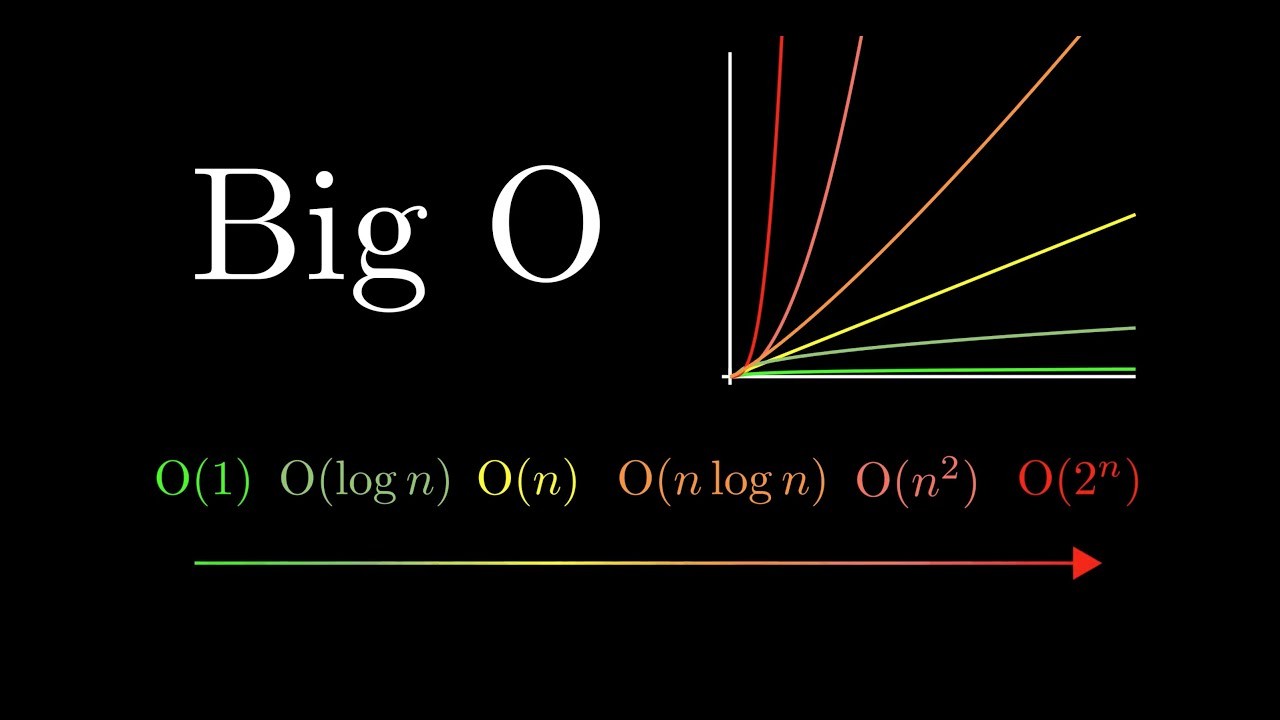
Alright, let’s just call it—Big O Notation sounds like some kind of wizard code. Like, did I miss the Hogwarts letter for math nerds or what? Every time you hit a coding interview, someone inevitably leans over and drops, “Yo, what’s the time complexity?” Meanwhile, you’re just sweating, silently praying your code doesn’t take a lunch break mid-run.
Anyway, hang tight. I promise this won’t make your brain explode.
🚀 So, What Exactly *Is* Big O?
Here’s the deal: Big O is basically the “speedometer” for your code. It’s not about how beefy your laptop is, it’s about how your code *scales* when you throw more data at it.
Picture this: two pizza dudes.
- Pizza Guy #1: Takes ten minutes, no matter how many pizzas you order. One pie? Ten minutes. Ten pies? Still ten. Magic.
- Pizza Guy #2: Needs five minutes per pizza. Order grows? So does the wait. Sorry, bro.
Big O is just math-nerd speak for that difference. That’s it.
🕒 Why Bother Learning This?
Because, let’s be real, your app might be fine for five users. But the day it gets popular and a million people show up? Code that’s not optimized is gonna quit harder than you after a bad Monday.
Wanna:
- Not bomb interviews?
- Build apps that don’t freeze when people actually use them?
- Avoid the shame of “well, it worked on my machine”?
Learn Big O. Trust me.
📊 Meet the “O” Squad
Here’s the quick and dirty, no chalkboard required:
- O(1): Constant time. Fast as heck, doesn’t care how much data you throw at it. Think: grabbing the milk from the front of your fridge. Done.
- O(n): Linear time. More stuff = more time. Like searching every dang shelf for that one expired yogurt.
- O(n²): Quadratic time. Yikes. This is like texting everyone in your group chat to ask what *everyone else* had for breakfast. Slow city.
- O(log n): Logarithmic. Nerdy word, but basically—your code gets clever. Cuts the work in half each time. Like guessing someone’s number between 1 and 100, and you keep halving the range.
🏎 Real Life, No Calculator Needed
Looking up a name in your phone?
- O(n): Scroll, scroll, scroll. Your thumb’s gonna hate you.
- O(log n): You just search. Two letters, boom, found it.
Guess which one lets you keep your thumb joints.
🛠 Rookie Hack
- Don’t get lost in the weeds. Just remember:
- Lower O = faster. Higher O = slower. Simple as that.
- Ask yourself: “If I doubled my data, would my code chill or just melt?”
✅ Wrapping Up
Big O isn’t some flex for interviews (okay, maybe a little)—it’s about making sure your code doesn’t collapse the second things get real.
So next time someone asks about time complexity, just toss out, “Oh, that’s O(log n), easy,” then enjoy the subtle nod of respect. Or at least confuse them enough to buy you time.